Macro

Posted 04/04/2013 - 00:08
Link
Hi again Chris, lots of questions there!
Firstly, you have some kit that will take stunning macro shots. My first port of call would be the Pentax 50mm F1.7 or the Tamron 90mm SP. Both will be super-sharp performers, good for close up work. I would make the following recommendations:
1) Get yourself some extension tubes - don't buy the very cheap Chinese made ones; you can get excellent quality used Vivitar or similar at many retailers for around £15 a set (try ffordes.com)
2) If you don't have a flashgun, get a cheap, powerful manual one (Neewer or Yongnuo would be good) and make a flash diffuser out of used Pringles Tubes. I have made several of these, both single and double-headers and they provide excellent diffused flashlight with no shadows - perfect for great macros. You need a powerful flash as you will need to shoot at least F11, preferably F16 or so to get enough depth of field so a lot of light is necessary
3) Buy a reversing ring for a couple of quid so you can reverse the 50mm F1.7 directly onto your Pentax Bayonet. You will need to manually set the aperture before shooting and you will find focussing difficult in the extreme but you get used to it with practice. Again, use a narrow aperture for best DOF
When I shoot macros, I usually try to get a composition, rather than aiming for extreme close-ups, but that's more to do with my style of shooting than anything else. See below for a few shots, the first was with a reversed Pentax-A 50mm F1.7 in natural light, the second is with a Sigma 105mm F2.8 DG EX Macro lens with a full 68mm of Extension Tubes and the Pringles Tube flash diffuser, the third was in natural light, with a SMC Takumar 135mm F3.5 and Extension Tubes.
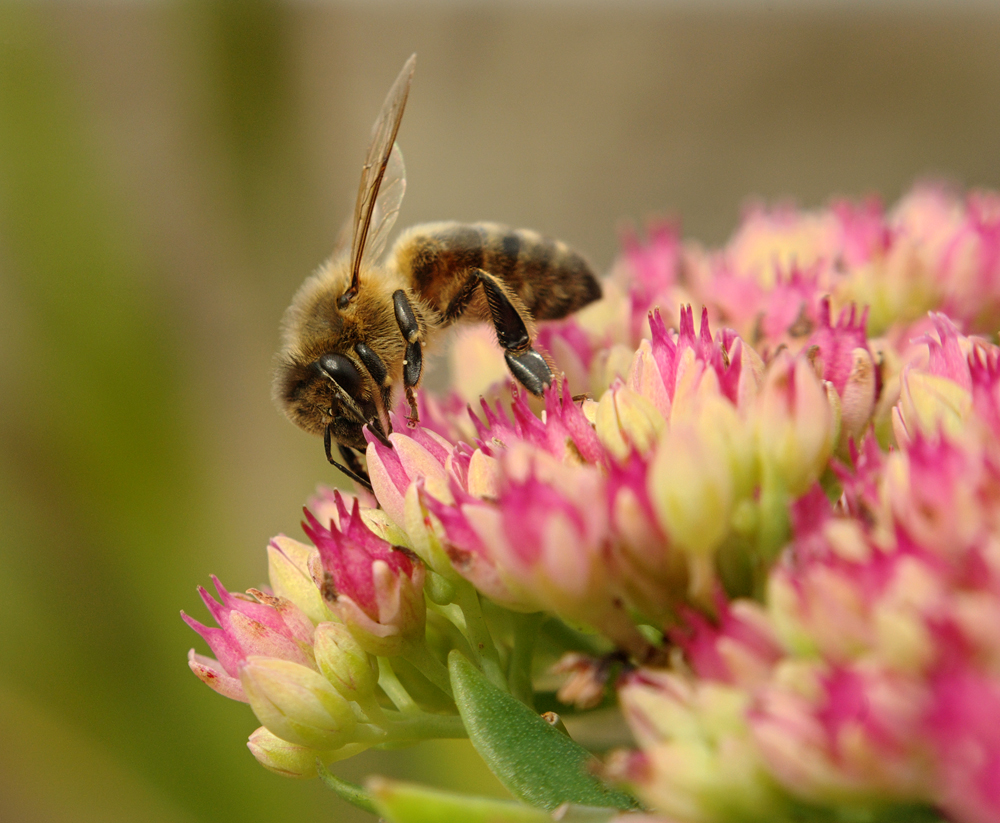
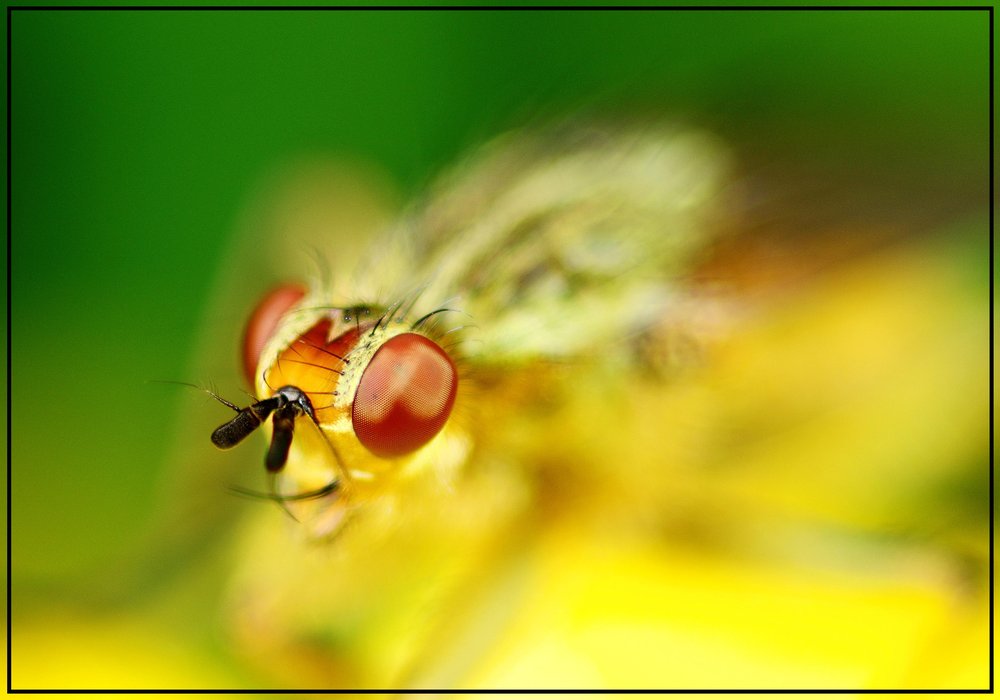

Hope this is useful. BTW, the depth of field in the second shot is so narrow because of the length of extension tubes used. This effect was intentional as I wanted to create something a bit abstract, but with the fly's eye in sharp focus.
Regards
David
Firstly, you have some kit that will take stunning macro shots. My first port of call would be the Pentax 50mm F1.7 or the Tamron 90mm SP. Both will be super-sharp performers, good for close up work. I would make the following recommendations:
1) Get yourself some extension tubes - don't buy the very cheap Chinese made ones; you can get excellent quality used Vivitar or similar at many retailers for around £15 a set (try ffordes.com)
2) If you don't have a flashgun, get a cheap, powerful manual one (Neewer or Yongnuo would be good) and make a flash diffuser out of used Pringles Tubes. I have made several of these, both single and double-headers and they provide excellent diffused flashlight with no shadows - perfect for great macros. You need a powerful flash as you will need to shoot at least F11, preferably F16 or so to get enough depth of field so a lot of light is necessary
3) Buy a reversing ring for a couple of quid so you can reverse the 50mm F1.7 directly onto your Pentax Bayonet. You will need to manually set the aperture before shooting and you will find focussing difficult in the extreme but you get used to it with practice. Again, use a narrow aperture for best DOF
When I shoot macros, I usually try to get a composition, rather than aiming for extreme close-ups, but that's more to do with my style of shooting than anything else. See below for a few shots, the first was with a reversed Pentax-A 50mm F1.7 in natural light, the second is with a Sigma 105mm F2.8 DG EX Macro lens with a full 68mm of Extension Tubes and the Pringles Tube flash diffuser, the third was in natural light, with a SMC Takumar 135mm F3.5 and Extension Tubes.


Hope this is useful. BTW, the depth of field in the second shot is so narrow because of the length of extension tubes used. This effect was intentional as I wanted to create something a bit abstract, but with the fly's eye in sharp focus.
Regards
David

Posted 04/04/2013 - 11:02
Link
Is the manual focus Tamron 90mm macro a 1:1 or 1:2 version?
If it's the older 52B then try to find the 1:1 extension tube, if it's the 72B 1:1 then so much the better. You will definitely need a cheap diffused flash, don't worry too much about the output as you don't need loads of power for macro.
Once you are set up lens and flash wise you have to decide whether to use a tripod or (like myself) shoot purely handheld ... personally I can't stand faffing about with the things, I no doubt miss a few shots but I would rather that than lug one around. These were taken last week in Spain using a Tamron 72B 90mm Adaptall 2 macro lens with a diffused flash and Pentax 1.7x adapter (I use the 1.7x nearly all the time for the extra working distance). The Spider picture also had a Raynox DCR-250 attached as he wasn't much bigger than a pin head.


If it's the older 52B then try to find the 1:1 extension tube, if it's the 72B 1:1 then so much the better. You will definitely need a cheap diffused flash, don't worry too much about the output as you don't need loads of power for macro.
Once you are set up lens and flash wise you have to decide whether to use a tripod or (like myself) shoot purely handheld ... personally I can't stand faffing about with the things, I no doubt miss a few shots but I would rather that than lug one around. These were taken last week in Spain using a Tamron 72B 90mm Adaptall 2 macro lens with a diffused flash and Pentax 1.7x adapter (I use the 1.7x nearly all the time for the extra working distance). The Spider picture also had a Raynox DCR-250 attached as he wasn't much bigger than a pin head.


Posted 04/04/2013 - 13:50
Link
davidstorm wrote:
Hi again Chris, lots of questions there!
Firstly, you have some kit that will take stunning macro shots. My first port of call would be the Pentax 50mm F1.7 or the Tamron 90mm SP. Both will be super-sharp performers, good for close up work. I would make the following recommendations:
1) Get yourself some extension tubes - don't buy the very cheap Chinese made ones; you can get excellent quality used Vivitar or similar at many retailers for around £15 a set (try ffordes.com)
2) If you don't have a flashgun, get a cheap, powerful manual one (Neewer or Yongnuo would be good) and make a flash diffuser out of used Pringles Tubes. I have made several of these, both single and double-headers and they provide excellent diffused flashlight with no shadows - perfect for great macros. You need a powerful flash as you will need to shoot at least F11, preferably F16 or so to get enough depth of field so a lot of light is necessary
3) Buy a reversing ring for a couple of quid so you can reverse the 50mm F1.7 directly onto your Pentax Bayonet. You will need to manually set the aperture before shooting and you will find focussing difficult in the extreme but you get used to it with practice. Again, use a narrow aperture for best DOF
When I shoot macros, I usually try to get a composition, rather than aiming for extreme close-ups, but that's more to do with my style of shooting than anything else. See below for a few shots, the first was with a reversed Pentax-A 50mm F1.7 in natural light, the second is with a Sigma 105mm F2.8 DG EX Macro lens with a full 68mm of Extension Tubes and the Pringles Tube flash diffuser, the third was in natural light, with a SMC Takumar 135mm F3.5 and Extension Tubes.
Hope this is useful. BTW, the depth of field in the second shot is so narrow because of the length of extension tubes used. This effect was intentional as I wanted to create something a bit abstract, but with the fly's eye in sharp focus.
Regards
David
Hi DavidHi again Chris, lots of questions there!
Firstly, you have some kit that will take stunning macro shots. My first port of call would be the Pentax 50mm F1.7 or the Tamron 90mm SP. Both will be super-sharp performers, good for close up work. I would make the following recommendations:
1) Get yourself some extension tubes - don't buy the very cheap Chinese made ones; you can get excellent quality used Vivitar or similar at many retailers for around £15 a set (try ffordes.com)
2) If you don't have a flashgun, get a cheap, powerful manual one (Neewer or Yongnuo would be good) and make a flash diffuser out of used Pringles Tubes. I have made several of these, both single and double-headers and they provide excellent diffused flashlight with no shadows - perfect for great macros. You need a powerful flash as you will need to shoot at least F11, preferably F16 or so to get enough depth of field so a lot of light is necessary
3) Buy a reversing ring for a couple of quid so you can reverse the 50mm F1.7 directly onto your Pentax Bayonet. You will need to manually set the aperture before shooting and you will find focussing difficult in the extreme but you get used to it with practice. Again, use a narrow aperture for best DOF
When I shoot macros, I usually try to get a composition, rather than aiming for extreme close-ups, but that's more to do with my style of shooting than anything else. See below for a few shots, the first was with a reversed Pentax-A 50mm F1.7 in natural light, the second is with a Sigma 105mm F2.8 DG EX Macro lens with a full 68mm of Extension Tubes and the Pringles Tube flash diffuser, the third was in natural light, with a SMC Takumar 135mm F3.5 and Extension Tubes.
Hope this is useful. BTW, the depth of field in the second shot is so narrow because of the length of extension tubes used. This effect was intentional as I wanted to create something a bit abstract, but with the fly's eye in sharp focus.
Regards
David
Some excellent images here! The first one taken with a 1.7 50mm is probably the sort of thing I will try first. By Pringle tube I assume you mean a white semi-opaque end to a tube? If so I have a few Single Malt whisky empty tubes which I can use with perhaps some paper over the end as a diffuser?
I have an Osram flash tower from the 90s which still worked last time I used it.
I will try the Tamron 90mm and the Pentax 50mm reversed first and experiment. Thanks for you help.
Za
Posted 04/04/2013 - 16:01
Link
Hi Mike
More excellent shots. Those tiny jumping spiders seem to be a popular subject for macro photographers.
On the Macro ring it ends in 1:2.
I have a Tamron SP type 2X converter I can use if that will be useful?
Za
More excellent shots. Those tiny jumping spiders seem to be a popular subject for macro photographers.
Quote:
Is the manual focus Tamron 90mm macro a 1:1 or 1:2 version?
Is the manual focus Tamron 90mm macro a 1:1 or 1:2 version?
On the Macro ring it ends in 1:2.
I have a Tamron SP type 2X converter I can use if that will be useful?
Za
Posted 04/04/2013 - 20:52
Link
zeroastigmatism wrote:
I have a Tamron SP type 2X converter I can use if that will be useful?
Za
yes, use that ... it will give you more working distance and better magnification.I have a Tamron SP type 2X converter I can use if that will be useful?
Za
The 70-210 f3.5 is also pretty good at macro (If it's the 19AH), especially on larger insects as it goes down to 1:2 mag. Couple taken with the 19AH on my K10D a few years back, still have it even though it's rarely used.


Posted 04/04/2013 - 21:51
Link
Hi Chris, you are right about the diffused cap on the Pringles Tube, I have sanded mine to make them completely opaque, you could achieve the same effect with thin tissue paper. The tube end fits over the flashgun head (it must be a tight fit to stop it falling off or moving about) and the cap is the diffuser end. I mentioned a powerful flash because this is required with my 'double-header' diffuser, which fires the light from both sides of the subject (hence avoids shadows) and to do this it splits the output from the flashgun into two, so a fair amount of the power is lost.
Good luck with your shooting; please post some images so we can see the results!
Regards
David
Good luck with your shooting; please post some images so we can see the results!
Regards
David
Posted 05/04/2013 - 15:42
Link
Hi
First ever macro uploaded to Gallery. Nothing special, just a bell. Have compressed image to a smaller file size, wasn't sure what file sizes are permitted in the gallery.
Will now turn my attention to properly lit subjects.
Za
First ever macro uploaded to Gallery. Nothing special, just a bell. Have compressed image to a smaller file size, wasn't sure what file sizes are permitted in the gallery.
Will now turn my attention to properly lit subjects.
Za
Posted 09/04/2013 - 16:27
Link
Hi
Tried my first live (or in this case dead) macro subject. A Woodlouse. Subject measures 5mm in length (a small Woodlouse). Ordinary daylight. Lens is a reversed Russian Zenitar 50mm f/1.7. Aperture is f/11. Camera set to 200 ASA. Exposure is 1/6th.
Would appreciate feedback on how improve on this technique. Haven't used flash yet as I need to find a way of lighting that doesn't cast a shadow of the lens extension over the subject. Might try a white paper reflector.
Regards
Za

Tried my first live (or in this case dead) macro subject. A Woodlouse. Subject measures 5mm in length (a small Woodlouse). Ordinary daylight. Lens is a reversed Russian Zenitar 50mm f/1.7. Aperture is f/11. Camera set to 200 ASA. Exposure is 1/6th.
Would appreciate feedback on how improve on this technique. Haven't used flash yet as I need to find a way of lighting that doesn't cast a shadow of the lens extension over the subject. Might try a white paper reflector.
Regards
Za


Posted 29/01/2014 - 15:19
Link
Apologies if this is no longer of interest, but if it is you might find my macro site useful.
Good luck!
Good luck!
... just another middle-aged guy with a hobby. I have an extreme macro learning site at extreme-macro.co.uk - Pentax-centric, your feedback and comments would be appreciated!
Add Comment
To leave a comment - Log in to Pentax User or create a new account.



20 posts
15 years
Fairly new to this Pentax user group. Had a power issue sorted for me on another Forum this week. Thought someone would be able to advise on another area that interests me.
I want to try some Macro shots. The equipment I have available for this is somewhat modest and I would like some tips from experienced Macro imagers.
I have a Kx dSLR, a Tamron 90mm SP manual lens, a Tamron 70-210 f/3.5, a Pentax 35 - 105 f/3.5, a Pentax 50mm f/1.7 and another at f/2, a Pentax 28mm f/3.5, and various Russian prime lenses of between 35mm and 58mm. All of these are manual focus. The two auto/manual focus lenses I have are the kit lens with the camera (18mm - 55mm), and a nice 15mm f/4.
I have coupling rings for the Tamron 70-210 to any of the Pentax 50mm or 28mm lenses so I can reverse connect the shorter lens. I also have some Russian bellows.
What are the dos and donts regarding successful Macro, and which set up is likely to give me the best results? Thanks
Za