The potential for a DSLR revival could just be around the corner as some photographers seek more of a photographic experience over Mirrorless. John Riley compares the latter premium APS-C models released - Pentax K-3 III, Pentax K-3 II, Pentax K-3 and Pentax KP.
Posted: 18/12/2025 - 10:02

When new cameras are introduced, the previous models are still very good cameras. They do not become useless overnight. So, recently discontinued models can be quite a bargain. We then move further into the second hand market, where companies such as MPB offer pre-loved cameras in excellent condition at very attractive price levels, there are some terrific deals to be had at very modest outlays.
In this article we are looking at some of the most recent Pentax DSLRs, all recently discontinued and including the current K-3 III as a reference point. At this level, we are seeing large back screens, largely 24MP sensors, weather resistance, shake reduction, extensive ISO ranges and of course the market leading Pentax pentaprism viewfinders.
We have chosen the same lens to use with all the cameras, shot new images with all the cameras and also re-shot the ISO test images. In terms of ISO this is to give a direct comparison, rather than the results given when large periods of time between tests in different conditions and with probably different testers can result in more experimental deviation.
At the end of their production cycle, or shout outs from the recent past, either way today could well be a good time to buy.
The Lens of Choice
So that direct comparisons can be made, the same SMC Pentax-FA 50mm f/1.4 lens is used for all the cameras. This film-era lens is capable of excellent results and has been reviewed previously. On these APS-C format DSLRs the “35mm-equivalent” focal length is 75mm, a short telephoto. The dedicated Pentax lenshood is used throughout. Despite this, it can be noted that this lens can produce super, exotic flare effects. This is an optical defect, but is often used creatively. For this reasons the latest incarnations of this lens are offered as a “Classic” version with SMC coating and an HD version with the latest Pentax coating technology. If the magic flare effect is wanted, choose the classic version or any older second hand copy. If virtually total suppression of flare is wanted, then choose the HD version.

Pentax KP (2017-2021)
| Sensor | 24MP |
|---|---|
| ISO | 100 - 819,200 |
| Frame rate | 7fps |
| Shutter | 30s - 1/6000 |
| Shutter rated | 100,000 cycles |
| Weight | 703g |
There have been different streams of camera body designs, and the KP belongs perhaps to the second tier, whilst borrowing several features from the top of the line models. This second hand sample was kindly provided by MPB and described as Good, but in fact is in excellent condition, far better than the rating on their website suggests. It shares all the usual attributes of an upper level Pentax DSLR, and has been reviewed in detail previously. The question here is how it stacks up compared to current models. There are two standout features. The first is the tilting screen, and although the more expensive models do not have this and we can live without it, there is no denying that it can be very useful. For low level shooting it is much better than having to bend down low to make the shot. The speed of operation is fast enough, the AF reliable and accurate. The screen is a good 3”, so much better than older cameras where sometimes screen sizes are uncomfortably small.
Pentax KP Sample Images







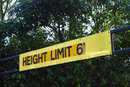

















There are a couple of interesting innovations. There is a top mode dial plus control dial, as the camera mimics some of the layout of the full frame K-1. Options can be set on the mode dial, including custom selections, and changed vis the top control wheel. The usual front and rear control dials are present, although the front one is a vertical design that is partly covered by the built in and interchangeable grip. Three grip sizes were supplied, but only one came with this sample. It is an interesting idea, but probably the grips and the camera will end up separated so used cameras may not have all the options. This is probably not too important to the original user, who will have selected the favoured grip. Second and subsequent owners may find it more relevant. One consequence of the grip design is that the usual shutter button/power switch is not at the usual position. It is slightly more awkward and a different design, more Sony-esque than Pentax/Nikon.
Pentax KP ISO Test Images
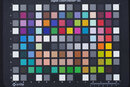
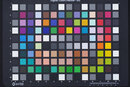
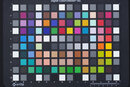
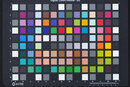
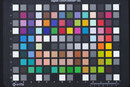
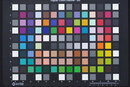
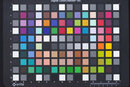
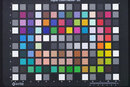
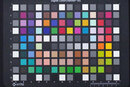
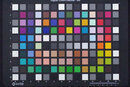
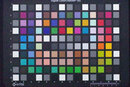
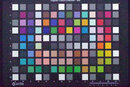
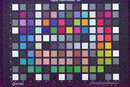
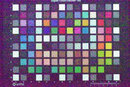
The ISO results – From ISO 100 to ISO 800 images are totally clean. At ISO 1600 a very slight trace of noise starts to appear, but images are still virtually clean. ISO 3200 sees slightly more noise, but nothing obtrusive. ISO 6400 and ISO 12800 see more noise, but the integrity of the test chart boxes is still sound. ISO 25600 is noisy but still usable if needed. ISO 51200 is really starting to show noise levels, and ISO 819,200 is pretty much a lost cause.
MPB Example Pricing (December 2025)
MPB Pentax KP - Excellent £754 / Good £679 / Well used £564

Pentax K-3 (2013-2016)
Pentax K-3 II (2015-2019)
| Sensor | 24MP |
|---|---|
| ISO | 100 - 51,200 |
| Frame rate | 8.3fps |
| Shutter | 30s - 1/8000s |
| Shutter rated | 200,000 cycles |
| Weight | 800g K-3; 785g K-3 II |
These are effectively twins, with variations to appeal to different photographers requirements. Both are top of the line DSLRs, with identical control layouts. We now have dual card slots and a new shutter delivering 8.3fps and rated for 200,000 actuations. Unlike the KP, there are no top control system and no interchangeable grips. There is a top info screen that can be illuminated, very useful for working in dark conditions. The power switch is back to the familiar place and now incorporates a depth of field preview setting. The camera is chunkier and heavier, but is still relatively compact for a top of the line professional tool. The screen size is increased to 3.2”.
Pentax K-3 Sample Images























Buying when the price settled, we acquired two cameras. Sue chose the K-3 as she wanted to retain the built in flash. Having said that, the flash has been used for fungi images in dark situations, but really not very often. I bought the K-3 II, for its inbuilt GPS/Astrotracer function. That too has been hardly used as that is not really my style of photography. But with one of each we have that potential when we are in need of it.
Pentax K-3 II Sample Images












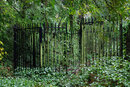





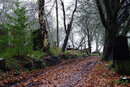
These cameras are workhorses, and many of the product shots in the reviews are shot using the K-3 II. A tilting screen might have been useful, but it is not a huge issue when the cameras overall are superb designs. At the time, these were the pinnacle of Pentax DSLR design.
Pentax K-3 ISO Test Images
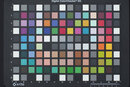
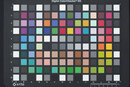
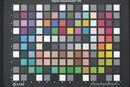
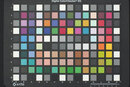
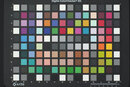
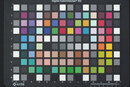
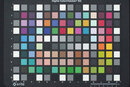
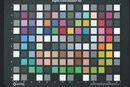
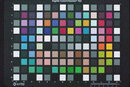
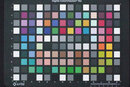
K-3: ISO 100-800 are totally clean, with just a hint of noise creeping in at ISO 1600. This increases slightly at ISO 3200 and ISO 6400. ISO 12800 and ISO 25600 are still usable, if needed. ISO 51200 is a step too far. The range stops at ISO 51200, probably a good choice as apart from that the range provided is almost fully usable.
Pentax K-3 II ISO Test Images
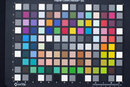
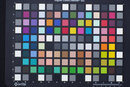
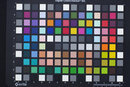
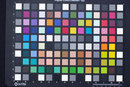
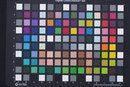
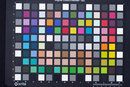
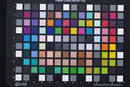
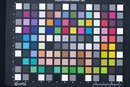
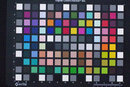
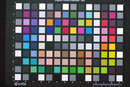
K-3 II: The results are very close, but if anything there is a whisker more noise with the K-3 II. Results from ISO 100 to ISO 400 are totally clean, with a slight amount creeping in from ISO 800 to ISO 1600. These are totally usable though. ISO 6400 keeps a tight noise structure, beyond that ISO 12800 is quite noisy and ISO 25600 the very limit of useful performance. ISO 51200 is not really viable, except perhaps for special effects.
MPB Example Pricing (December 2025)
MPB Pentax K-3 - Good £309 / Heavily used £199
MPB Pentax K-3 II - Good £354
Pentax K-3 Full Review Pentax K-3 II Full Review

Pentax K-3 III (2021-Current)
Pentax K-3 III Monochrome (2023-Current)
| Sensor | 25.7MP |
|---|---|
| ISO | 100 - 1,600,000 |
| Frame rate | 12fps |
| Shutter | 30s - 1/8000s |
| Shutter rated | 300,000 cycles |
| Weight | 820g |
The K-3 III is a total redesign, at least under the skin. In handling respects it is Pentax through and through, with all the usual design features. There is a new 25.7 MP CMOS sensor, with an ISO range of 100-1,600,000. The shutter delivers up to 12fps and is now rated at an incredible 300000 actuations. The top info panel is smaller but still covers the essentials. There is a new top dial that selects LV and Video shooting. The camera is faster, the AF is slicker and overall the results are superior. Its character is slightly different and the menus have evolved, but as with all things it just takes a little getting used to. It is now the camera of choice for much of what I do, although the others are still in regular use. The new extra large pentaprism finder is superb.
Pentax K-3 III Sample Images


















There is of course also the K-3 III Monochrome, which is by far the best value in top line monochrome cameras, at a fraction of the cost of the Leica alternatives.
Pentax K-3 III ISO Test Images
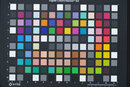
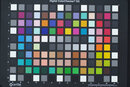
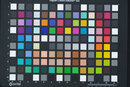
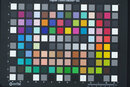
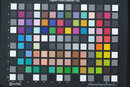
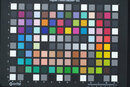
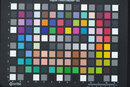
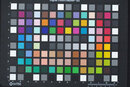
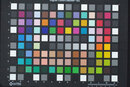
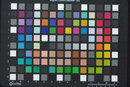
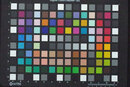
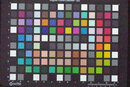
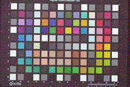
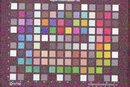
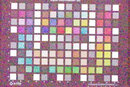
The ISO results – This is an amazing sensor, with images from ISO 100 to ISO 3200 being totally clean. A little noise creeps in at ISO 6400 and ISO 12800. This increases at ISO 25600 but images are still very usable. ISO 51200 and ISO 102400 still retain some degree of quality. Beyond that, ISO 204800 to ISO 1,600,000 leave us wondering why they are there. Results at these sensitivities are just poor to very poor and it is hard to see their photographic merit. At the lower values, performance is truly exemplary.
There is one huge advantage for users of K and M lenses without electronic contacts. If using Av or Tv the lenses will now stop down correctly without having to use the manual process. This is a great time saver if these lenses are in regular use.
MPB Example Pricing (December 2025)
MPB Pentax K-3 III Like New £1559 / Excellent £1189
MPB Pentax K-3 III Monochrome - Like new £2319 / Excellent £2209
Conclusions
This has been an opportunity to have a new look at some of the more recent Pentax DSLRs. Pentax still have their attention on the DSLR range, and now have more options available than any other DSLR manufacturer. There is much to be said in favour of the DSLR. The pentaprism viewfinder is a very different beast to the EVF. Not only does it operate continuously without the camera needing to be switched on, but it also is so much clearer to view in bright or sunny weather. Some of the more expensive EVFs are becoming a challenge to this, but the pentaprism OVF still has a firm place in terms of clarity and precision of viewing.
It can be down to handling quirks as well. How many mirrorless cameras have AF point selection that refuses to lock onto a centre point only? How many times has the photographer suddenly realised that the focus point has shifted to a corner? Pentax DSLRs can be set to lock onto centre and the setting stays put. Pentax AF is often criticised for being slow, but this is not necessarily true for most photography. There are plenty of Pentax wildlife photographers out there who seem to manage very well. Individual perceptions of this may vary, but for precision focusing Pentax are hard to beat. For example, the Pentax DSLRs will happily lock onto a bird amongst branches, where many cameras will refuse to do so, being confused by the mass of detail in the way.
In any event, buying recent models second hand is a powerful way to access excellent kit that has still a long life of quality imaging to offer. For those who want a tilting screen then the KP could be the camera of choice. For low cost, on current availability the K-3 looks a steal. For Astrotracer functions, the K-3 II has built in GPS. For what is probably the best current DSLR, the K-3 III makes a powerful play for prime position. Whatever choice is made, without doubt today is a good time to buy.
Many thanks to MPB for the loan of the Pentax KP used in this article.

My SLRs range from a K5, K5iis and K3. All feel excellent in the hand. The K3 has a little more heft and slickness. All a pleasure to use.

I've had a K-x, K-50, K5IIs and K-3 and have to say i've been impressed with all of them in one way or another.
My K-x was passed down to one of my sons but then subsequently sold, My K-50 is an emergency back-up or very occasional usage as it suffers from the aperture solenoid issue but still ok for manual use.
Both my K-5IIs and K-3 are in regular use for general outings but also used at airshows / rowing events/ motorsports events where they can easily clock-up c2000+ images in a day. The K-3 with its 200k rated shutter is particulary important for me in this role.
Should either the K-5IIs or K-3 fail on me in the future I would definitely be looking around for another good condition , low shutter example.
Overall I love the 'feel' of these cameras, sturdy with a nice heft and WR as well which is very important for me. The other 'essential' feature is an excellent optical viewfinder. My son experimented with a couple of different EVFs and had to sell them as suffered eyestrain and headaches...i''m even more sensitive and can't use a smart phone for more than a few minutes without it affecting my blood pressure and heart. For this reason I would never buy any camera that didn't have an OVF although I have found that taking magnesium supplements increases my tolerance.
I'm sure sometime in the not so distant future i'll get a K-3III as well assuming that Pentax has produced enough of them to be able to pick up a vgc, low shutter count at a good price.
Regards
Karlo
Add Comment
To leave a comment - Log in to Pentax User or create a new account.




2 posts
13 years